Said Karen Finley.
લેબલ Jesse Helms સાથે પોસ્ટ્સ બતાવી રહ્યું છે. બધી પોસ્ટ્સ બતાવો
લેબલ Jesse Helms સાથે પોસ્ટ્સ બતાવી રહ્યું છે. બધી પોસ્ટ્સ બતાવો
9 ડિસેમ્બર, 2023


26 ઑક્ટોબર, 2022
"In states as disparate as Wisconsin and New Mexico, ads have labeled a Black candidate as 'different' and 'dangerous' and darkened a white man’s hands as they portrayed him as a criminal...."
"In Wisconsin, where Lt. Gov. Mandela Barnes, who is Black, is the Democratic nominee for Senate, a National Republican Senatorial Committee ad targeting him ends by juxtaposing his face with those of three Democratic House members, all of them women of color, and the words 'different' and 'dangerous.' In a mailer sent to several state House districts in New Mexico, the state Republican Party darkened the hands of a barber shown giving a white child a haircut, next to the question, 'Do you want a sex offender cutting your child’s hair?'... Appeals to white fears and resentments are an old strategy in American elections, etched into the country’s political consciousness, with ads like George Bush’s ad using the Black convict Willie Horton against Michael Dukakis in 1988, and Jesse Helms’s 1990 commercial showing a white man’s hands to denounce his Black opponent’s support for 'quotas.'"
The manipulation of the color of hands is a very specific problem, and I don't like seeing the name of my state mixed up in that accusation. I don't like "In states as disparate as Wisconsin and New Mexico, ads have... darkened a white man’s hands as they portrayed him as a criminal." That happened in New Mexico but not in Wisconsin.
Yes, there has been been relentless advertising against Mandela Barnes here in Wisconsin, but I haven't seen any photoshopping of the color of hands or other body parts. What I'm seeing — and it's practically the only advertising I'm seeing — is the connection of Mandela Barnes to crime and to policies advocated by the most left-wing Democrats. Yes, you can argue that is inherently racial, and the NYT article also does that, but it's a far cry from this awfulness from New Mexico:

27 ડિસેમ્બર, 2017
Puzzlingly violent illustration on NYT op-ed criticizing Trump's judicial nominees.
What is this supposed to mean?

I haven't read the column yet. What I see in the the illustration (which is by Chris Kindred) is a large hammer — a judge's gavel — slamming into a man's face and cracking it up. The cracked up face seems to have been fragmented even before the hammer hit. Perhaps the pre-smash fragment is intended to look like the state of Kentucky. The man seems to have the Confederate stars and bars in one eye, and he has some other symbol in front of his other eye, perhaps crossed swords or some kind of cross. I simply do not understand connecting the idea of face-shattering with this issue. Who is supposed to be wielding the gavel?
The column is titled "William Barber II: Trump’s Terrible Choice for Judge," so I'm guessing the man with the shattered face is William Barber II, and the idea is that he's a Trump nominee and he's terrible, presumably because of something connected to the Confederacy. I suppose the column argues that he shouldn't be confirmed, but does that mean he should be bashed in the face with a hammer? Why would you want to associate your opinion with murderous violence?
Now, who's the author of this piece? Oh! It's William Barber II. He's not "Trump’s Terrible Choice for Judge." Somebody else is. Ha ha. Eventually, I'm going to read this piece, but I've gone from being outraged by the depiction of violence to amused by the horribly ambiguous headline.
All right. I'm reading it. The "terrible" nominee is Thomas Alvin Farr, and he's from North Carolina, so that shape really is a state, and the shattering interfered with my state-shape perceptions. The "tails" — the unshattered parts — are very similar. The front ends differ, but North Carolina is the one with the straight-edge on top. Kentucky has the straight-edge on the bottom.
Barber connects Farr to Jesse Helms and Helms to "white supremacist causes." Helms was a Senator from 1973 to 2003, and you can look at his long career and pick out some terrible things (and also some good things), but the question now is what do we think of Farr?

I haven't read the column yet. What I see in the the illustration (which is by Chris Kindred) is a large hammer — a judge's gavel — slamming into a man's face and cracking it up. The cracked up face seems to have been fragmented even before the hammer hit. Perhaps the pre-smash fragment is intended to look like the state of Kentucky. The man seems to have the Confederate stars and bars in one eye, and he has some other symbol in front of his other eye, perhaps crossed swords or some kind of cross. I simply do not understand connecting the idea of face-shattering with this issue. Who is supposed to be wielding the gavel?
The column is titled "William Barber II: Trump’s Terrible Choice for Judge," so I'm guessing the man with the shattered face is William Barber II, and the idea is that he's a Trump nominee and he's terrible, presumably because of something connected to the Confederacy. I suppose the column argues that he shouldn't be confirmed, but does that mean he should be bashed in the face with a hammer? Why would you want to associate your opinion with murderous violence?
Now, who's the author of this piece? Oh! It's William Barber II. He's not "Trump’s Terrible Choice for Judge." Somebody else is. Ha ha. Eventually, I'm going to read this piece, but I've gone from being outraged by the depiction of violence to amused by the horribly ambiguous headline.
All right. I'm reading it. The "terrible" nominee is Thomas Alvin Farr, and he's from North Carolina, so that shape really is a state, and the shattering interfered with my state-shape perceptions. The "tails" — the unshattered parts — are very similar. The front ends differ, but North Carolina is the one with the straight-edge on top. Kentucky has the straight-edge on the bottom.
Barber connects Farr to Jesse Helms and Helms to "white supremacist causes." Helms was a Senator from 1973 to 2003, and you can look at his long career and pick out some terrible things (and also some good things), but the question now is what do we think of Farr?
When Mr. Farr graduated from law school, Mr. Helms and [lawyer Thomas] Ellis brought him into their fold. Mr. Farr joined the small law firm of Maupin, Taylor & Ellis, where all of the named partners were openly hostile to civil rights....Put on that abstract level, it does indeed sound terrible, but a balanced presentation would specify that the subject is mostly voter I.D. laws, which have been upheld by the Supreme Court. It will be interesting to see whether the confirmation hearings on Farr will rest heavily on the voter I.D. issue. Polls have long shown that the great majority of Americans support voter I.D. laws. But you can tell all these people they're racists — deplorables! — and see how that works.
Most recently, Mr. Farr has carried on Mr. Helms’s legacy by helping North Carolina’s Republican-led Legislature create and defend in court discriminatory voting restrictions and electoral districts, which were eventually struck down by numerous federal courts that found them to be motivated by intentional racism. In fact, the United States Court of Appeals for the Fourth Circuit found that the state’s 2013 voter suppression law was aimed at blacks with “almost surgical precision.”
Senators from both sides of the aisle must condemn the experience Mr. Farr brings with him... Every senator who condemned the racism on display in Charlottesville must vote to prevent it from having power in the federal judiciary.So the illustration means that the Senate holds the gavel and it "must" smash Thomas Alvin Farr in the face with it. I understand it now. It's very crude, violent, and ugly. And somebody at the NYT decided it belonged on that column.
5 ઑક્ટોબર, 2015
It's the first Monday in October, so the Supreme Court is back on the bench, and mainstream media are telling readers which upcoming cases to care about.
SCOTUSblog collects links.
I'll just read the one in The Washington Post, from Robert Barnes, which I'm choosing because the headline so perfectly sums up the reason mainstream media think you could or should care: "Supreme Court faces politically charged election-year docket."
The "politically charged" issues that might matter to an ordinary person — because they might affect how you'll vote in the presidential election (the all-important question of our time) — are: "the legality of racial preferences to encourage diversity; how far government must go to accommodate religious liberty; how far government may go to restrict a woman’s right to abortion."
I'm not an ordinary person. I'm a law professor, and I've been a law professor for a very long time. From that perspective, I'm going to home in on the language discrepancy between: "how far government must go to accommodate religious liberty" and "how far government may go to restrict a woman’s right to abortion."
The "must" is deceptive if not wrong. The cases about accommodating religious believers are not about what the Constitution requires — what government must do — but about the Religious Freedom Restoration Act ("RFRA") — which is a limitation that the federal government chose to take on and which the government may change by statute. We already know — and the current cases are not about — that the government need only treat religious believers the same as everybody else when it comes to regulating conduct. That's the constitutional law. As I've explained before on this blog, RFRA was a reaction to the Court's rejection of constitutionally required accommodation: "The RFRA bill was sponsored in the House by Congressman Chuck Schumer and in the Senate by Teddy Kennedy. (Each had a GOP co-sponsor). The Democrats controlled Congress, but the Republicans all voted for it too (with the sole exception of [arch-conservative] Jesse Helms)." President Clinton signed the bill, which he effused over: "The power of God is such that even in the legislative process miracles can happen."
The government — Democrats and Republicans — chose to accommodate religion, and the Court is simply stuck determining what their statute means. Government can repeal or amend RFRA or put language in statutes (e.g., the Affordable Care Act) saying RFRA doesn't apply, so we are not talking about how far government must go to accommodate religious liberty.
Adjust your presidential preferences accordingly.
I'll just read the one in The Washington Post, from Robert Barnes, which I'm choosing because the headline so perfectly sums up the reason mainstream media think you could or should care: "Supreme Court faces politically charged election-year docket."
The "politically charged" issues that might matter to an ordinary person — because they might affect how you'll vote in the presidential election (the all-important question of our time) — are: "the legality of racial preferences to encourage diversity; how far government must go to accommodate religious liberty; how far government may go to restrict a woman’s right to abortion."
I'm not an ordinary person. I'm a law professor, and I've been a law professor for a very long time. From that perspective, I'm going to home in on the language discrepancy between: "how far government must go to accommodate religious liberty" and "how far government may go to restrict a woman’s right to abortion."
The "must" is deceptive if not wrong. The cases about accommodating religious believers are not about what the Constitution requires — what government must do — but about the Religious Freedom Restoration Act ("RFRA") — which is a limitation that the federal government chose to take on and which the government may change by statute. We already know — and the current cases are not about — that the government need only treat religious believers the same as everybody else when it comes to regulating conduct. That's the constitutional law. As I've explained before on this blog, RFRA was a reaction to the Court's rejection of constitutionally required accommodation: "The RFRA bill was sponsored in the House by Congressman Chuck Schumer and in the Senate by Teddy Kennedy. (Each had a GOP co-sponsor). The Democrats controlled Congress, but the Republicans all voted for it too (with the sole exception of [arch-conservative] Jesse Helms)." President Clinton signed the bill, which he effused over: "The power of God is such that even in the legislative process miracles can happen."
The government — Democrats and Republicans — chose to accommodate religion, and the Court is simply stuck determining what their statute means. Government can repeal or amend RFRA or put language in statutes (e.g., the Affordable Care Act) saying RFRA doesn't apply, so we are not talking about how far government must go to accommodate religious liberty.
Adjust your presidential preferences accordingly.
19 એપ્રિલ, 2011
11 thoughts about hammering "Piss Christ" into destruction.
1. Here's the news article everyone's linking to, which says that the famously controversial photograph "was attacked with hammers and destroyed after an 'anti-blasphemy' campaign by French Catholic fundamentalists in the southern city of Avignon." The use of "after" is a weirdly hedged insinuation of cause-and-effect. "After" is the "post" in the phrase "Post hoc ergo propter hoc" ("after this, therefore because of this"), which identifies a logical fallacy.
2. Quite aside from that "after" problem, I can't tell what happened in "the southern city of Avignon." Was it the anti-blasphemy campaign or the hammering? (More details in the linked article. I know what happened. )
3. Andres Serrano sure made a splash with that urine of his! He's been famous and provocative since 1987 for what really ought to have been shaken off at the time as a mere droplet of bad art.
4. A hammer was used to destroy a picture of the crucifixion and a hammer was used to nail Jesus to the cross.
5. The destruction itself could be viewed as a work of art — like "Erased De Kooning."
6. Indeed, the museum — the Collection Lambert — will reopen "with the damaged works shown as they are." And many will come to view and talk about the already over-talked-about photograph.
7. "Piss Christ" is a photograph — a print from a negative — so the destroyed work is not the only "Piss Christ." "Serrano made 10 Cibachrome prints of 'Piss Christ." Presumably, the negative still exists as well, though the value of the prints must depend on the small size of the edition of prints.
8. The value of the prints also depends on the controversy! In 2008, a print of "Piss Christ" sold for $277,000. You figure out the cause-and-effect.
9. The destruction of one print enhances the value of the other 9 prints in 2 ways: It cut the edition of undestroyed prints down to 9 and it bumped up the controversy. And the bonus is the 10th print exists in destroyed — "Erased De Kooning" — form. It is now unique, and it embodies the controversy in a new way. Question: It is now more or less valuable than the undestroyed prints?
10. How do you know the destruction of the "Piss Christ" was not an inside job? Here's another Latin phrase: Cui bono?
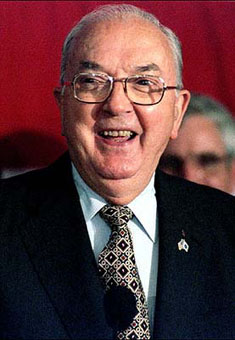
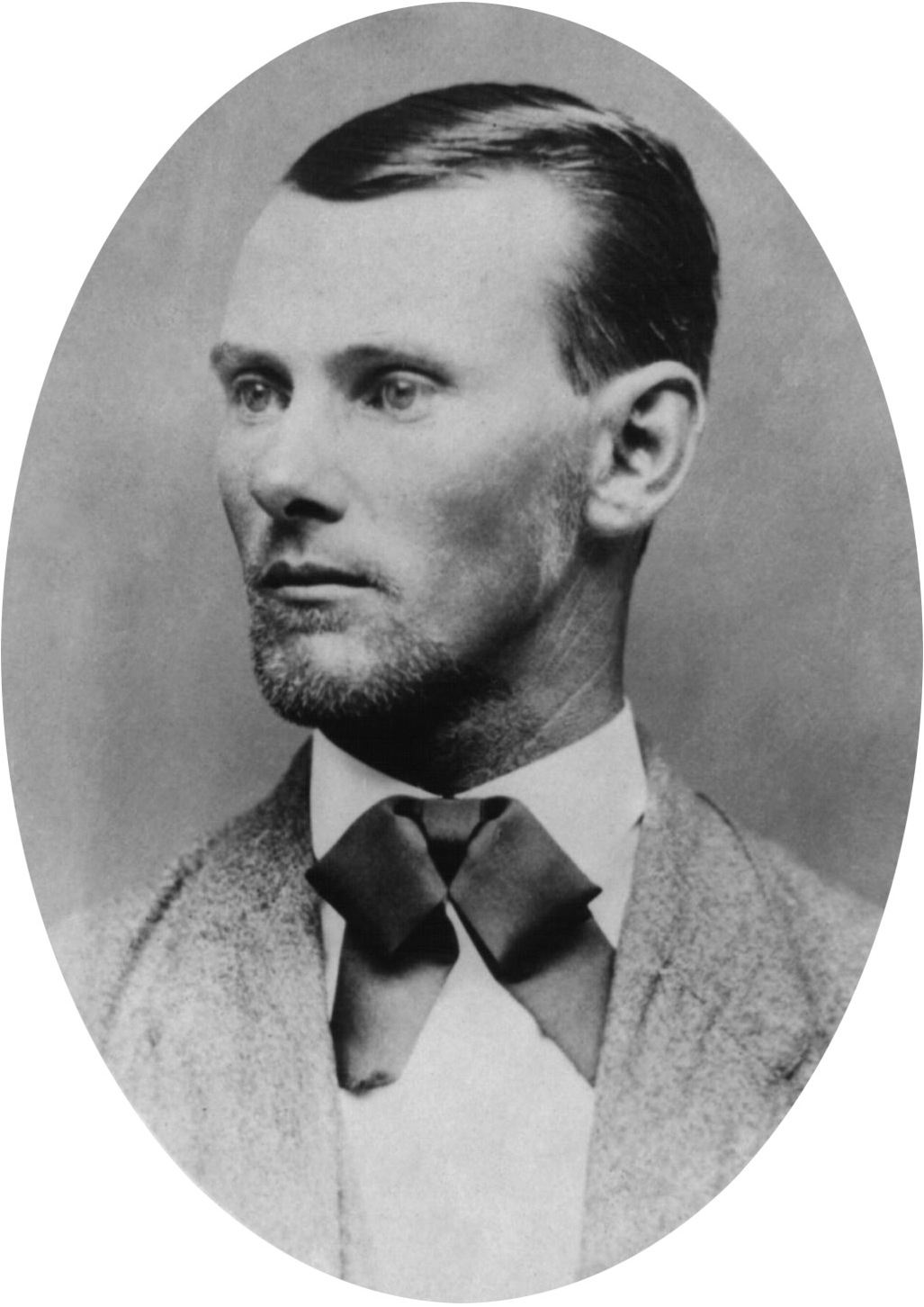
11. The first linked article, from a UK website (The Guardian), has a correction appended: "The original [article] referred to the Senator Jesse Helms as Jesse James." Ha. The Brits can't keep their American outlaws straight.
2. Quite aside from that "after" problem, I can't tell what happened in "the southern city of Avignon." Was it the anti-blasphemy campaign or the hammering? (More details in the linked article. I know what happened. )
3. Andres Serrano sure made a splash with that urine of his! He's been famous and provocative since 1987 for what really ought to have been shaken off at the time as a mere droplet of bad art.
4. A hammer was used to destroy a picture of the crucifixion and a hammer was used to nail Jesus to the cross.
5. The destruction itself could be viewed as a work of art — like "Erased De Kooning."
6. Indeed, the museum — the Collection Lambert — will reopen "with the damaged works shown as they are." And many will come to view and talk about the already over-talked-about photograph.
7. "Piss Christ" is a photograph — a print from a negative — so the destroyed work is not the only "Piss Christ." "Serrano made 10 Cibachrome prints of 'Piss Christ." Presumably, the negative still exists as well, though the value of the prints must depend on the small size of the edition of prints.
8. The value of the prints also depends on the controversy! In 2008, a print of "Piss Christ" sold for $277,000. You figure out the cause-and-effect.
9. The destruction of one print enhances the value of the other 9 prints in 2 ways: It cut the edition of undestroyed prints down to 9 and it bumped up the controversy. And the bonus is the 10th print exists in destroyed — "Erased De Kooning" — form. It is now unique, and it embodies the controversy in a new way. Question: It is now more or less valuable than the undestroyed prints?
10. How do you know the destruction of the "Piss Christ" was not an inside job? Here's another Latin phrase: Cui bono?
11. The first linked article, from a UK website (The Guardian), has a correction appended: "The original [article] referred to the Senator Jesse Helms as Jesse James." Ha. The Brits can't keep their American outlaws straight.
24 ઑક્ટોબર, 2010
NPR set Juan Williams on fire.
And it's all on Fox News.
Especially hot:
Especially hot:
Nina Totenberg wished that Senator Jesse Helms and his grandchildren would get AIDS -- I said would get AIDS. She's still working there.
A so-called humorist on NPR said the world would be a better place if 4 million Christians evaporated. Hilarious.
And calling millions of members of the Tea Party movement a sexual pejorative, tea baggers won't get you in hot water either.
So it seems some opinions are more equal than others at NPR.
9 જુલાઈ, 2008
There's something about Jesse.
Jesse #1. So Jesse Helms died. He was old and his time had passed, but he got some attention.
Jesse #2. Wait! There's a more famous Jesse the ME? JESSE THE GREAT FORMER GOVERNOR OF MINNESOTA!!! That cannot stand! Jesse Ventura springs to life. He's running for Senator maybe... probably....
Jesse #3. NOOOOOOO!!!!!!!!! I AM THE JESSE!!!!!! Of all of the Jesses, one Jesse must prevail. Whatever it takes. I will not be overshadowed! I will not be ignored. Death! A lame stunt! A run for the Senate... even if it involves kicking Al Franken's ass... that will be nothing! Nothing! Compared to what I can do!!!!! Jesse Jackson will not be ignored.
UPDATE: What exactly did he say?
AND: I watched the clip on O'Reilly. Jackson makes a little nuts-ripping hand gesture when he says it. O'Reilly was pretty mellow, but he did say that there was a lot more on the tape, that it was worse, and that they decided not to use it.
AND: I missed a Jesse.
AND: Here's the O'Reilly video.
Jesse #2. Wait! There's a more famous Jesse the ME? JESSE THE GREAT FORMER GOVERNOR OF MINNESOTA!!! That cannot stand! Jesse Ventura springs to life. He's running for Senator maybe... probably....
Jesse #3. NOOOOOOO!!!!!!!!! I AM THE JESSE!!!!!! Of all of the Jesses, one Jesse must prevail. Whatever it takes. I will not be overshadowed! I will not be ignored. Death! A lame stunt! A run for the Senate... even if it involves kicking Al Franken's ass... that will be nothing! Nothing! Compared to what I can do!!!!! Jesse Jackson will not be ignored.
UPDATE: What exactly did he say?
In a vulgar tirade caught on tape by Fox News, the Rev. Jesse Jackson said he wanted to "rip (Barack) Obama's nuts off" and he accused the fellow Chicagoan of "talking down to black folks" by giving moral lectures to African-Americans, source said.Supposedly, Bill O'Reilly will be playing the tape on his show (which is on soon).
AND: I watched the clip on O'Reilly. Jackson makes a little nuts-ripping hand gesture when he says it. O'Reilly was pretty mellow, but he did say that there was a lot more on the tape, that it was worse, and that they decided not to use it.
AND: I missed a Jesse.
AND: Here's the O'Reilly video.
4 જુલાઈ, 2008
Jesse Helms is dead.
The NYT reports.
ADDED: An obit:
But death is an end, and the 4th — though it is a famous death day — more properly represents a beginning. In the hope that the era of Jesse Helms is really dead, let's look at another closeup of the Declaration of Independence:

ADDED: An obit:
During his 30 years in Capitol Hill, the North Carolina Republican became a powerful voice for a conservative movement that was growing both in Congress and across the country, and he used his position to speak out against issues like gay rights, federal funding for the arts and U.S. foreign aid.Ugh. Mixing "conservative ideals" with racism.... I think that made millions of young people hate conservatism.
"I had sought election in 1972 to try to derail the freight train of liberalism that was gaining speed toward its destination of government-run everything, paid for with big tax bills and record debt," Helms wrote in his 2005 memoir, "Here's Where I Stand."
"My goal, when my wife, Dot, and I decided I would run, was to stick to my principles and stand up for conservative ideals."...
In 1960, he moved to the executive offices of Capitol Broadcasting Co., the parent of WRAL, and he developed a strong following across eastern North Carolina over the next decade by appearing in editorials that ran at the end of each night's evening newscast. The editorials blended folksy anecdotes with conservative viewpoints that blasted the federal government, the University of North Carolina at Chapel Hill and other entities he viewed as too liberal. In one noted editorial, he suggested building a wall around the UNC campus, which he called the "University of Negroes and Communists," so that its liberal sentiments could be contained.
[H]e was accused of using racial politics to secure narrow victories. In the 1990 campaign against [former Charlotte Mayor Harvey] Gantt, for example, a Helms television ad showed a white man's hands crumpling a rejection notice from a company that had used an affirmative action program to hire a black job candidate.Did he really die on the 4th of July? The president of the Jesse Helms Center announced that the time of death was 1:15 a.m. on Friday. It has long been considered an important distinction to die on the 4th of July, as, most notably, both Thomas Jefferson and John Adams did in 1826. And now Jesse Helms has that distinction.
His views on race relations – he opposed a national holiday honoring slain civil rights leader Martin Luther King Jr., led a filibuster against the extension of the Voting Rights Act and called some young blacks "Negro hoodlums" – and social issues sharply divided the public into those who viewed him as a champion of the common man and those who thought of him as a narrow-minded bigot....
"What is unique about Helms – and from my viewpoint, unforgivable – is his willingness to pick at the scab of the great wound of American history, the legacy of slavery and segregation, and to inflame racial resentment against African Americans," [David] Broder wrote shortly after Helms announced that he wouldn't seek re-election in 2002.
But death is an end, and the 4th — though it is a famous death day — more properly represents a beginning. In the hope that the era of Jesse Helms is really dead, let's look at another closeup of the Declaration of Independence:

26 એપ્રિલ, 2008
"Manipulative. Shameful. Race-baiting."
"Those are the only words to describe a new television ad from the Republican Party running in North Carolina that attacks Senator Barack Obama as 'too extreme' for the state."
So says the New York Times.
But look at the ad! It's about left-wing politics and anti-Americanism.
You can agree or disagree about whether Obama has a real problem on this score. But how is it racism? Is it racism simply because Jeremiah Wright and Obama are black? It would make more sense to accuse the NYT of racism for thinking that that anything that black people say or do is about their race. Here's how the Times explains it:
Come on. There is a serious question here about whether Obama is too left wing. We damned well get to talk about it. If you're going to push us back and call us racists for trying to address an overwhelmingly important political problem with a black candidate for President, then what you are essentially saying is that America is not ready for a black President. And that would be racist. Either we can talk about him vigorously or we can't. And if we can't, he shouldn't be President.
And could John McCain watch the ad and think coherently before condemning it? Is this the man you want analyzing data and making life-or-death decisions for the world?
ADDED: For anyone who thinks I'm resistant to seeing racism in a political ad, let me remind that I was the one who wrote about the letters "NIG" on the child's pajamas in the "3 a.m." ad.
So says the New York Times.
But look at the ad! It's about left-wing politics and anti-Americanism.
You can agree or disagree about whether Obama has a real problem on this score. But how is it racism? Is it racism simply because Jeremiah Wright and Obama are black? It would make more sense to accuse the NYT of racism for thinking that that anything that black people say or do is about their race. Here's how the Times explains it:
The assertion that Mr. Obama is “just too extreme for North Carolina” is a clear bid to stir bigotry in a Southern state. The ad’s claim that its target is actually two Democratic gubernatorial candidates who endorsed Mr. Obama is ludicrous.Huh? The Jesse Helms ad specifically talked about race. How is that like the anti-Obama ad?
This is too familiar. In his 1990 re-election campaign, Senator Jesse Helms of North Carolina ran the infamous “hands” ad showing two white hands crumpling up a letter while the announcer intones: “You needed that job, and you were the best qualified. But they had to give it to a minority.” His challenger, Harvey Gantt, a former Charlotte mayor, was, of course, African-American.
Come on. There is a serious question here about whether Obama is too left wing. We damned well get to talk about it. If you're going to push us back and call us racists for trying to address an overwhelmingly important political problem with a black candidate for President, then what you are essentially saying is that America is not ready for a black President. And that would be racist. Either we can talk about him vigorously or we can't. And if we can't, he shouldn't be President.
***
And could John McCain watch the ad and think coherently before condemning it? Is this the man you want analyzing data and making life-or-death decisions for the world?
ADDED: For anyone who thinks I'm resistant to seeing racism in a political ad, let me remind that I was the one who wrote about the letters "NIG" on the child's pajamas in the "3 a.m." ad.
આના પર સબ્સ્ક્રાઇબ કરો:
પોસ્ટ્સ (Atom)


 પોસ્ટ્સ


